- Recipes
-
-
FEATURED RECIPE
-
TRENDING RECIPES
-
-
-



Different Types of Squash and Squash Recipes

Want to save this recipe?
I got you! Just enter your email address, and I'll forward it to your inbox! Plus, you'll receive a bonus of healthful, "must-try" recipes each week!
Nutrition per serving
If you’re looking for a staple vegetable to cook with this season, try recipes with squash. Characterized by their unique shapes, this enjoyable crop is versatile and can be incorporated with different seasonal inspirations. The taste, texture, and experience of eating a squash-based recipe will change depending on its variety and the time of year.
There are many different kinds of squash that are popular around specific seasons. Each type of squash is unique, making it an exciting ingredient to explore. In the summer, you might find more tender and buttery squash while in the winter they are often sweeter with nutty undertones. Keep reading to learn about different types of squash, how to elevate their natural flavors, and some of our favorite recipes!
Is Squash a Fruit or a Vegetable?
It’s time to settle the common debate: fruit or vegetable? The mention of many popular harvestables, like tomatoes and avocados, for example, can kick off a heated debate about their categorization. Squash is an interesting food with many varieties, but what exactly is it?
For context, fruits are seed-bearing crops that grow from flowers. Vegetables are the edible root, leaf, or other plant part. Because squash grows on vines and has seeds, they are technically considered fruits. And, just like most other fruits, they are best eaten around certain times of the year.
Summer and winter are the two main categories that you can expect when picking a squash. Oftentimes, these eye-catching fruits are stationed wherever you find your seasonal produce in store. Squash is most popular in grocery stores around the end of May and November.
Squash grows best in warm climates, or places that at least have a long transition period from warm to cool. For this reason, countries like the US, Mexico, and India grow a massive quantity every year. However, countries with the highest consumption of squash include Ukraine, Algeria, and Italy.
Types of Winter Squash
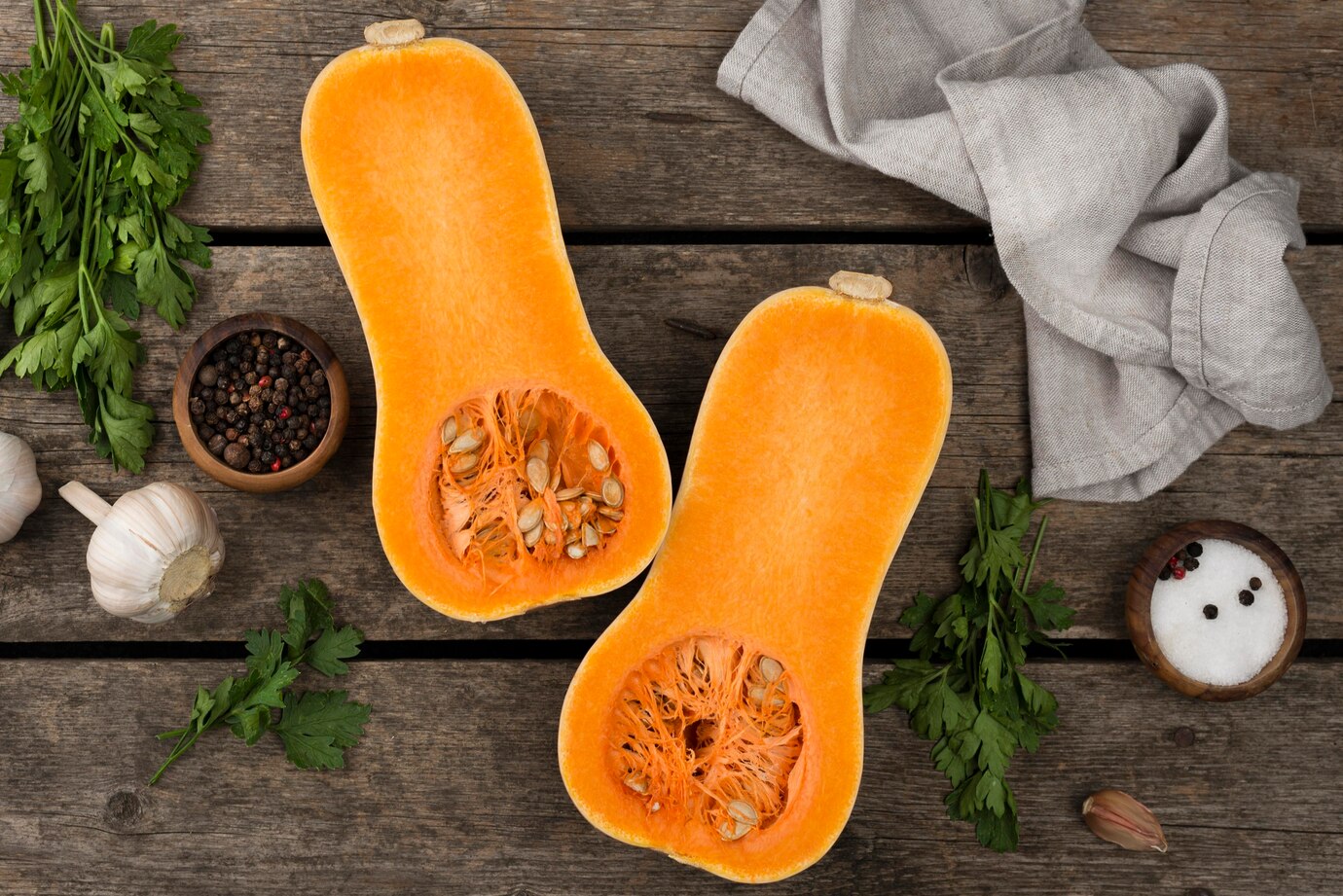
Types of winter squash include the popular butternut squash and others like acorn squash, honeynut squash, and pumpkin. They have hard, thick skin and tougher flesh to stay fresh through long storage. These crops are actually harvested around late summer and early fall but are sold throughout winter because of their notorious longevity. What are the different types of squash?
Butternut Squash
Regardless of season, this variety is arguably one of the most popular types of squash. Recognizable by its tan skin and pear shape, the Butternut squash is a low-calorie and nutrient-dense food that can make a great base for many recipes. It has a creamy texture so it’s frequently used in butternut squash soup and purees.
Acorn Squash
This type of squash gets its name from its small, acorn-resembling shape. Acorn squash is petite and defined by its deep ridges. This is one of the most popular types of green squash, but there are a few that we’ll cover in this list. The bright orange flesh inside is sweet and buttery, making it a solid choice for roasting, holiday stuffing, or baked dishes.
Delicata Squash
Also known as the Bohemian squash, this sweet winter crop is the pale, cream-colored squash with orange or green stripes. The flavor resembles sweet potatoes and it can be used as a substitute in many recipes. It is called the Delicata squash because it is just that: delicate. The rind is thin and fragile, making it difficult to properly grasp with firm hands.
Honeynut Squash
Just like the name suggests, the Honeynut squash is known for its boldly sweet flavor. This is the miniature version of the butternut squash, so the flavor may seem familiar. The Honeynut variety has a more vivid orange flesh with a richer texture in comparison to its more popular cousin, but they can both be used in similar recipes.
Spaghetti Squash
If you’re looking for a new, lean substitute for pasta, you’ve just found it. Spaghetti squash is easy to prepare as a substitute by roasting it whole and gently forking through the thin fibers of squash until the flesh has turned into a pasta-like consistency. You can serve your spaghetti squash ‘pasta’ with sauce or meatballs for an easy weeknight meal.
Buttercup Squash
This type of squash originates from South America and is best known for its stout appearance and distinct “lid” on the head of the crop. Because of its former flesh, the Buttercup squash makes a great choice for mashing or adding to soups.
Carnival Squash
You may know this type of squash from your holiday dinner decorations on the dining table or around the room. The distinct multicolored speckled skin makes it a great gourd decoration for celebrating winter festivities. Carnival squash is a hybrid of the acorn and dumpling varieties and is best roasted or baked. While many types of squash can be considered overly sweet for some people’s palettes, the carnival squash is mild and nutty.
Hubbard Squash
The Hubbard squash is one of the bigger crops, averaging 15-20 pounds. You may recognize it by its size or rigid and bumpy skin. It can be a gray-blue, green, or even orange color. The flesh is dense and sweet, making it a good option for roasting or baking. Because of the overly thick skin, the crop should stay fresh when stored in a cool, dark place.
Honorable Mention: The Pumpkin
Pumpkin is technically a squash. So, when you’re eating pumpkin pie or soup, it can be considered a squash recipe. This is an iconic fall and winter ingredient, making it into our seasonal pies, drinks, and traditional holiday dishes. Pumpkins come in a variety of colors, shapes, and sizes, but they all tend to keep the same sweet, nutty flavor.
Types of Summer Squash
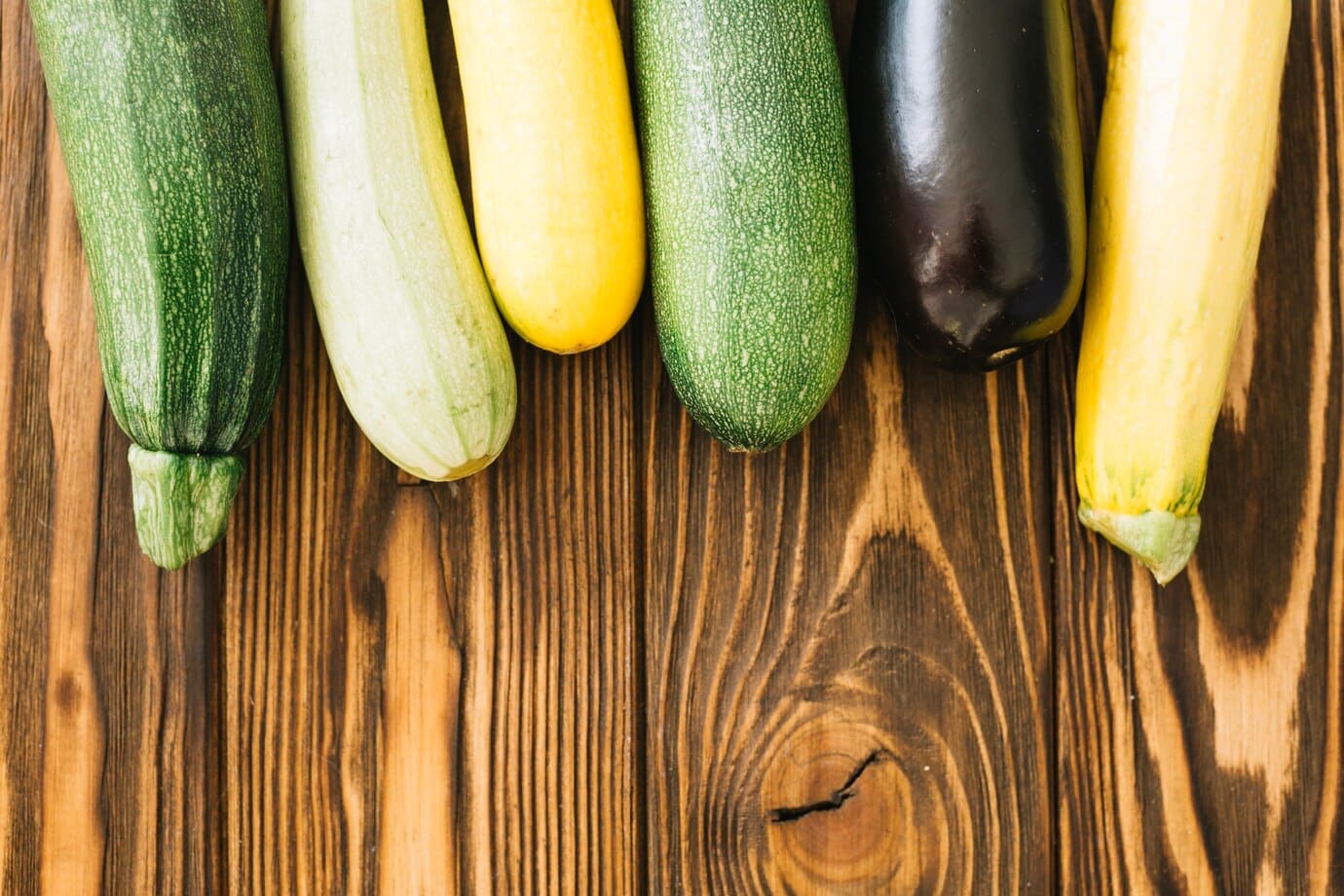
On the other hand, summer squash can be described as more delicate, with thinner skin and softer flesh. The flavor is mild and light, making it a popular ingredient for a diverse variety of recipes. You can grill it at a summer barbeque, saute it on the stove, or even spiral out noodles from varieties like zucchini. Here is a types of summer squash chart that lists many of the most appreciated summer varieties.
Zucchini
You can use zucchini in a variety of ways. This popular type of squash is versatile, with potential on the grill, in a salad, baked into bread, or even as a replacement for pasta. “Zoodles” are a trending health food online, helping everyone from children to picky eaters enjoy a nutrient-dense meal like a zucchini lasagna. Zucchinis are best served in late spring and early summer, as they have a mild taste which is at its brightest during this time.
Yellow Squash
A yellow squash is just that: yellow. It is a great mid-point for people who like the sweetness of squash but don’t want it to be so overpowering in their summer dishes. There are different types of yellow squash that come in two varieties: straightneck and crookneck. The most popular is the straight-neck yellow summer squash. This variety can make the perfect stuffed yellow summer squash, stir-fries, baked dishes, and grill nights! The bright color makes it a popular option to add some vibrancy to a plate.
Patty Pan Squash
This small squash is perfect for stuffing or roasting. Characterized by their fun colors and scalloped edges, the Patty Pan squash has a firm texture. It is buttery and mildly sweet, so it is perfect for summer salads and roasted vegetable platters. You can find Patty Pan squash all throughout summer and even into fall for autumn-inspired recipes.
Zephyr Summer Squash
These are long, skinnier squash with yellow bodies and a green patch at the base. You can eat them raw, as their crisp texture makes it a great addition to salads. However, you can also roast or saute a Zephyr squash to elevate the nutty flavor. These are a beautiful variety, making them popular in gourmet cooking from mid-summer to fall.
Mexicana Summer Squash
These are round, pump squash with pale green skin that is firmer than most other summer varieties. It is commonly called the Mexicana squash because it is utilized in many Mexican summer dishes. This ingredient is perfect for stews, roasts, or summer salads. You can find these as early as spring, so they come into season earlier than most other types of summer squash.
Striped Zucchini
While this variety of Zucchini may have a familiar taste and texture, it has a unique appearance. Striped zucchini is hard to miss in the grocery store. With the bold, alternating dark and light green stripes, it’s hard to pass by. If your recipe calls for zucchini, the striped version is not much different from the original.
Round Zucchini
Because these little squash are personal-sized, they can be a great option for stuffing. You can serve different stuffed zucchini recipes as delicious appetizers or filling entrees. The globe-shaped version is buttery and nutty with sweet undertones, so they work in spring and summer recipes. You can find round zucchini starting as early as May, but they are most popular in midsummer.
More Types of Squash Vegetables to Know

Have you ever gone out to eat and had the most flavorful meal of your life, tried to recreate it at home, and failed miserably? Oftentimes, this is the result of sourcing ingredients. Restaurants have different resources for ingredients than traditional shoppers in the grocery store, so you may not casually find the specialty ingredients you need at your local market.
There are many types of specialty squash that are rare or harder to stumble across, but are vital for tasty dishes across many cuisines, like:
- Calabaza squash: Otherwise known as the Indian pumpkin, this type of squash is tropical and heavily utilized in traditional Caribbean cooking.
- Chayote squash: Some people call it a “vegetable pear” but it is still a squash. This variety is harder to find in the United States, as it is native to Mexico and Central America.
- Jarrahdale squash: Unlike traditional squash colors, this Australian native has a blue-gray skin, but the flesh is orange and tender.
- Kabocha squash: This is a Japanese winter squash, known for its popularity in different side dishes like soups and tempura. It has a smooth, starchy texture, and a sweet but earthy flavor.
Cushaw squash: This is a popular option in southern U.S cuisine because of its abundance. The Cushaw squash is large and earthy in flavor.
My Favorite Squash Recipes
As you can see, there are many types of squash to choose from. If you think you don’t like squash, maybe you haven’t found the right variety — or the right recipe for your taste buds. Squash can be cooked using multiple techniques that highlight different aspects of its flavor profile. If you prefer sweeter squash, you may like baked dishes because of how the low-and-slow approach caramelizes the sugars. If you enjoy the earthy or nutty notes in squash, roasting or grilling it may bring out the most flavor. Need some inspiration? Try some of my favorite squash recipes for summer and winter in your own kitchen. Let’s talk about different types of squash and how to cook them!

This is an easy dish to put together. Green coconut curry calls for simple ingredients like shrimp and squash with limited spices due to the powerful flavor of the curry powder. All you need is one pan! Curry recipes can be enjoyed all year round, so this recipe can be tailored depending on the time of year.
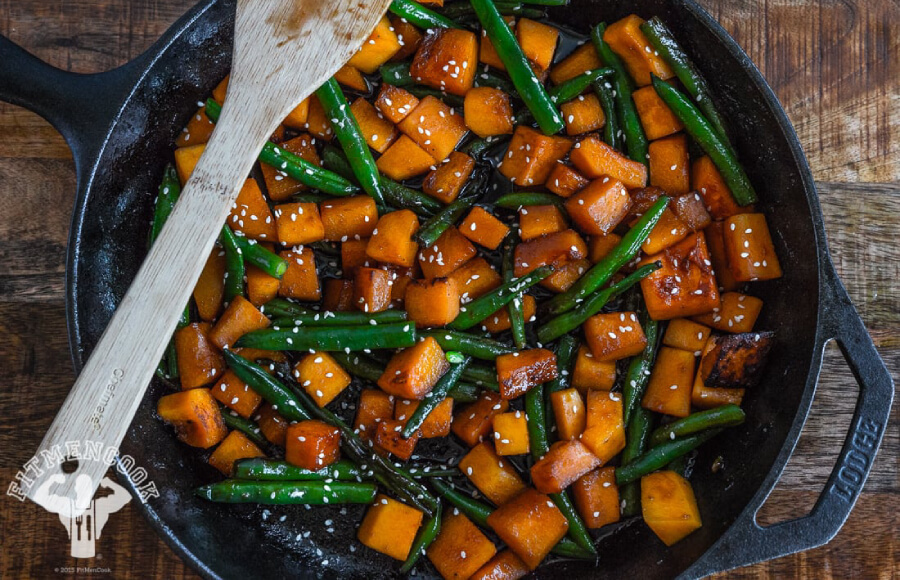
Stir-frys are an easy way to experiment with your vegetables, trying new combinations and seasonings. The sweet, earthy flavor in squash pairs deliciously with green beans, but don’t take my word for it. Try this squash stir-fry recipe for yourself!

Adding nutrient-dense produce like squash to a sauce is a great way to pack in missing vitamins and minerals. Squash is high in antioxidants, fiber, and other vitamins like A, B, and C. You can’t go wrong with meatballs! However, let’s elevate this timeless classic with a mouth-watering butternut marinara.
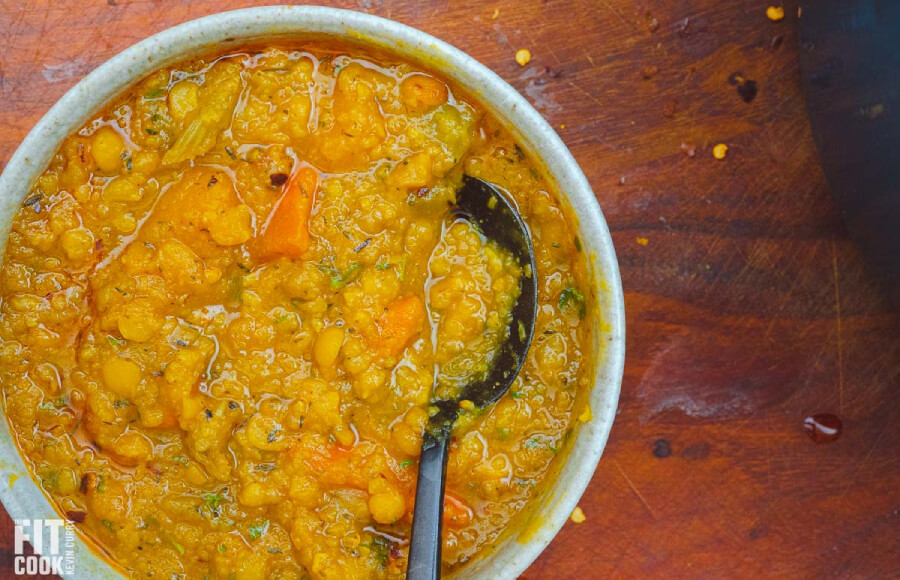
A warm soup can be the most comforting meal on a chilly day. This yellow squash soup recipe blends buttery split peas and sweet squash for a creamy balance of fall flavors. This recipe calls for spices like thyme, bay leaves, and fennel to enhance the natural flavors of the main ingredients. Garnish with greens and chili oil to add a light and vibrant kick to your dish.
Butternut Squash Fritters
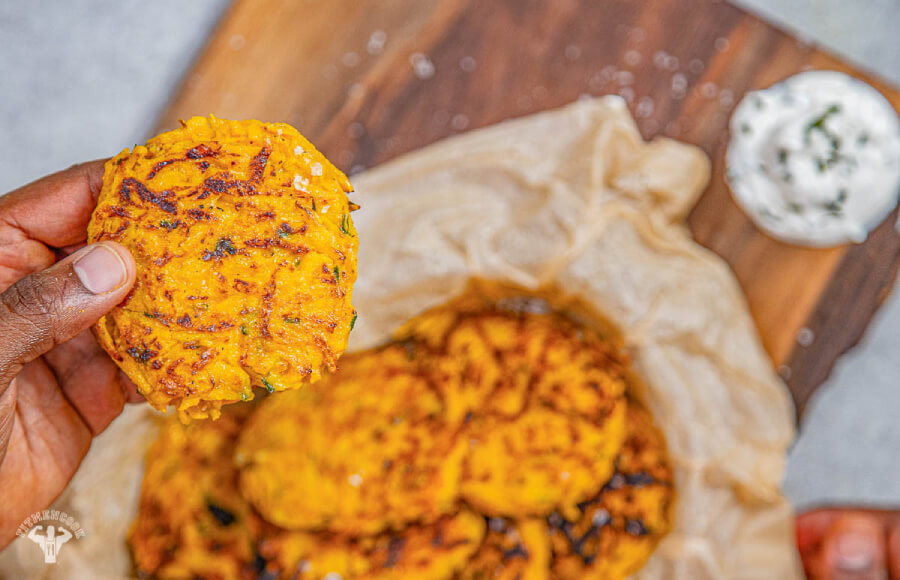
Nothing beats a delicious fried snack — except maybe a reduced-guilt version! Squash fritters are lighter than other options like potato and cheese, and provide essential daily nutrients. They take less than 10 minutes in the fryer and can be served as a side dish or with dipping sauce as a snack.
Selection and Storage
Everyone has their own technique for choosing the best produce in the grocery store. Some people eyeball it, thump the base of the fruit, or even smell the rind. When it comes to squash, the best way to select your pick of the bunch is to check for firmness at the neck and base of the crop. You should look for a vibrant and firm squash that is free of cracks or dents.
Most recipes will stay fresh for about 3 days in the fridge as leftovers. You can store uncooked squash in a cool, dry place while you wait to use it. Because of their durability, these harvestables stay fresh for a long time if you store them properly. Look out for soft spots, dents, or discoloration to know that your squash has gone bad.
There are many different types of squash to explore and enjoy. With the wide array of colors, textures, and culinary possibilities to choose from, it’s no wonder that squash is a staple all year round!